“Gratitude, not understanding, is the secret to joy and equanimity.” – Anne Lamott
The idea of having an attitude of gratitude may sound cliché this time of year, but it’s actually one of the most powerful wellness tools we have. Thanksgiving is all about gathering with loved ones, sharing a meal, and taking a moment to be truly present. But beneath the warmth and mashed potatoes, gratitude also has fascinating science behind it, especially when it comes to how we eat, digest, and feel.
Practicing gratitude does more than lift your mood. It changes your body chemistry. When you pause to appreciate what’s in front of you, your body releases feel-good hormones like oxytocin, serotonin, and dopamine, while lowering stress hormones like cortisol. This “hormonal harmony” supports better digestion, steadier energy, and even stronger relationships.
Studies show that gratitude literally increases blood flow and activity in the hypothalamus, the part of your brain that controls hormones, metabolism, and appetite. In other words, when you take a moment to give thanks before your Thanksgiving meal, you’re not just nourishing your spirit — you’re setting the stage for your body to digest more efficiently.
Before you dig into your plate, take a few deep breaths. Focus on a calming thought or visualize your favorite peaceful place. You might even say a quiet prayer or simply think about what you’re thankful for: your health, your family, or the beautiful meal in front of you. When you’re calm, your parasympathetic nervous system (“rest and digest” mode) kicks in, helping your body absorb nutrients and preventing that sluggish, overstuffed feeling later.
It’s completely possible to indulge and stay balanced this holiday season. Here are a few expert-backed tips to help you keep your energy up, your digestion happy, and your gratitude flowing:
🕊️ Eat a protein-, fat-, and fiber-rich breakfast to keep your blood sugar steady.
💧 Stay hydrated throughout the day (your body often mistakes thirst for hunger).
📓 Write down 10 things you’re grateful for before the festivities begin.
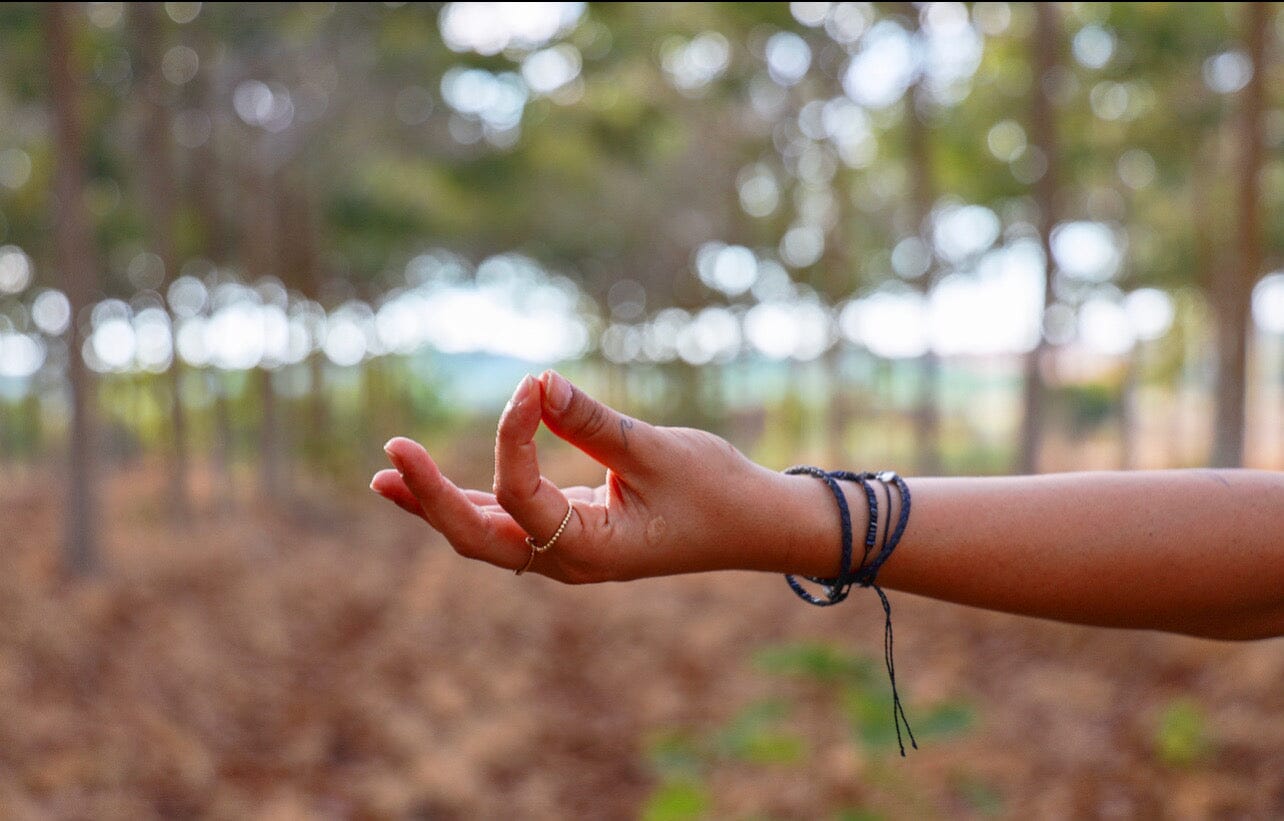
🧘 Meditate or breathe deeply before arriving to help calm your nervous system.
🍽️ Eat slowly and chew well — it helps digestion and gives your brain time to register fullness.
🥂 Alternate drinks with water and make every cocktail last at least 45 minutes.
💬 Join the conversation! The more you talk, the more mindful you’ll be about what (and how much) you’re eating.
Once dinner’s over, don’t flop on the couch just yet! Take a walk around the neighborhood, play a family game of charades, or toss a football in the yard. Even gentle movement after a meal helps balance blood sugar and improves insulin sensitivity, making you feel better, not bloated.
Whether it’s a Thanksgiving 5K or a stroll with your dog, think of movement as a celebration of what your body can do. The more joy you bring to these moments, the more your body and mind will thrive long after the leftovers are gone.
So this year, remember: gratitude isn’t just good for your soul. It’s good for your metabolism, too.










Christina Wilson
Author